
Activating office software in a corporate environment is a critical step to ensure that all employees have access to the necessary tools for productivity. However, the task of activation is fraught with potential risks and challenges. Navigating these issues requires an understanding of the processes involved, as well as the tools available for successful implementation.
Understanding the Importance of Activating Office
The need to activate office software is paramount within any business setting. Without proper activation, users may encounter restricted features or, worse, non-functioning applications. Activation ensures compliance with licensing agreements and secures access to essential productivity tools. Moreover, it also helps in unlocking features that come with full software versions. This understanding forms the foundation for efficient operations and can significantly impact overall productivity levels within an organization.
The Role of Activation Tools
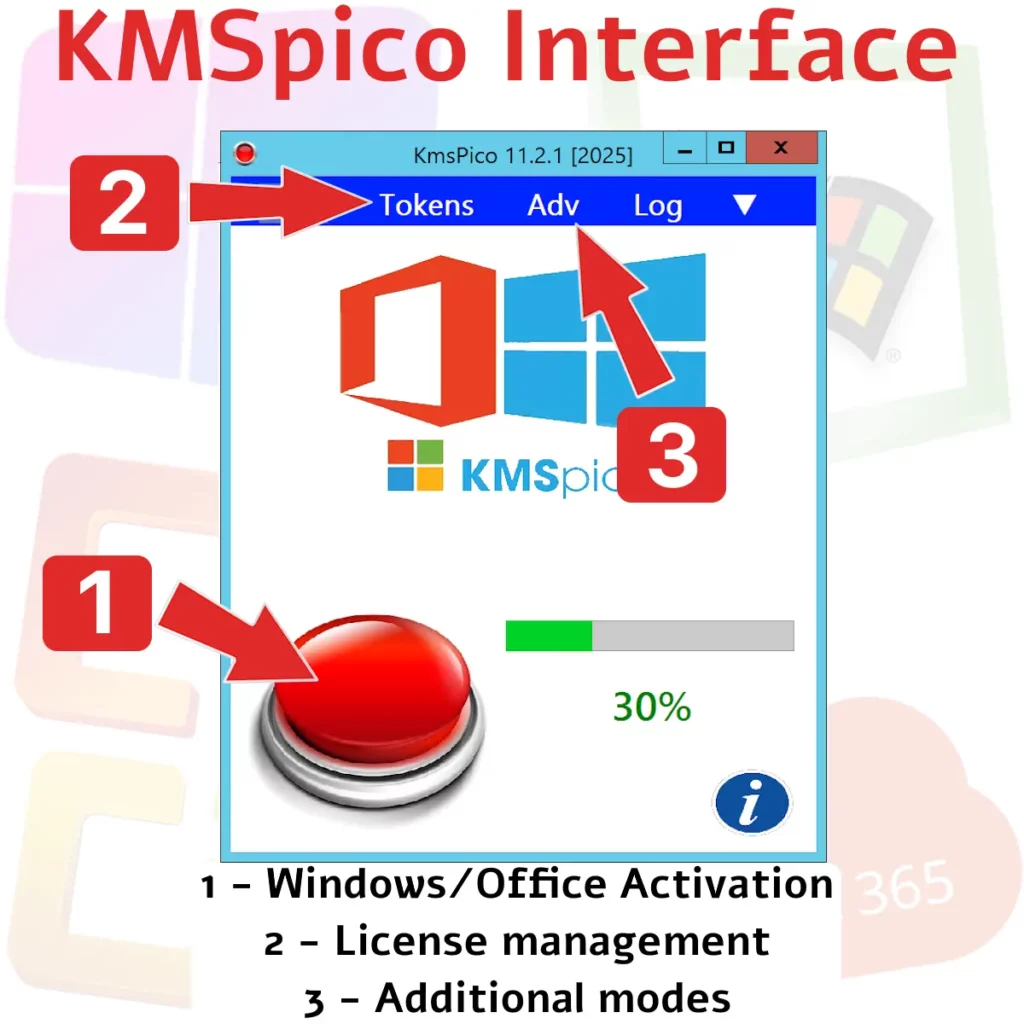
Several tools are utilized to facilitate the activation process. Among them, KMS Windows Activator is popular due to its automated processes that streamline activation across networks. Another tool often mentioned is KMSpico Office Activator, particularly anticipated for its 2025 iteration, which promises advancements in user-friendliness and efficiency. Both tools significantly reduce manual intervention and help maintain licensing integrity. The role these tools play cannot be understated as they provide a seamless experience across multiple platforms, ensuring that every user has what they need without unnecessary delays or complications.
Challenges in Using KMS for Windows 10
Utilizing KMS for Windows 10 can present specific challenges. While it simplifies activation across multiple machines, any network interruption can halt the process unexpectedly. Additionally, there might be compatibility issues with different software versions that necessitate careful monitoring during deployment. These challenges highlight the importance of having a dedicated IT team ready to address any hiccups swiftly and efficiently, minimizing downtime and maintaining operational continuity.
Why Product Activation Matters
Product activation not only validates legitimacy but also prevents unauthorized use. For businesses, this means safeguarding against legal repercussions associated with unlicensed software use. Furthermore, activation provides access to updates and support services which are crucial for maintaining security and efficiency. In today’s fast-paced digital landscape, ensuring that all software is properly activated helps businesses stay competitive by leveraging the latest features and improvements offered by software providers.
Installation Process and Serial Number Usage
The installation process is straightforward once a valid serial number is obtained. This license key serves as a vital component in ensuring that each installation adheres to legal standards. Organizations must keep track of these serial numbers to facilitate reactivation if hardware changes occur or system restorations are needed. Proper management of these keys is essential not only for compliance but also for streamlining future upgrades or transitions to newer versions of the software.
Labs and Environment Constraints
Deployments often require testing within controlled environments such as virtual machines (VMs). A typical constraint might involve a VM setup with 2 vCPU and 4 GB RAM to simulate actual conditions without impacting live environments. Testing ensures that potential issues are identified and resolved before full-scale rollouts. Such preparatory steps are invaluable in preempting problems that could disrupt operations once the software goes live in a production environment. For a seamless experience to activate office, visit https://www.kmspico.lc/ and explore reliable solutions for corporate software activation.
Strategies to Mitigate Risks During Activation
A comprehensive strategy involves multiple layers of preparation and contingency planning. Firstly, ensure that all software setups align with company policies and licensing terms. Secondly, employ reliable tools like KMS Pico capable of handling large-scale deployments efficiently. Planning ahead by establishing protocols for troubleshooting common issues can prevent headaches down the line and contribute significantly to smoother operations.
FAQ: Handling Common Activation Issues
- Error Messages: Often stem from incorrect license key entry or network issues; verify both elements during troubleshooting.
- KMS Activation Failure: Can arise if the host server is inaccessible; ensure network configurations allow necessary traffic flow.
- License Key Problems: Occur when keys are expired or improperly tracked; maintain an updated database for reference during activations.
The Role of Commands Like DISM
Tools such as DISM (Deployment Image Servicing and Management) can assist in resolving activation errors by repairing system images or updating components without requiring full reinstallation. Familiarity with such command-line utilities can greatly enhance problem-solving capabilities during critical deployment stages.
Leveraging Automation in Activation Processes
An increasing trend among corporations is the use of automation scripts to activate office applications en masse. These scripts reduce human error while accelerating deployment times significantly. Ensuring that scripts are well-documented and adhere to best practice guidelines will mitigate risks associated with automated processes. Automation not only speeds up processes but also allows IT personnel to focus on more strategic tasks rather than being bogged down by repetitive manual activations.
The Future of Software Activation: KMSpico 2025
The anticipated release of KMSpico 2025 highlights a growing focus on user-friendly interfaces and robust performance capabilities. Its design aims to meet the evolving needs of businesses seeking streamlined activation solutions across increasingly diverse IT environments. As technology continues to evolve at a rapid pace, staying abreast of these developments ensures businesses remain at the forefront of innovation while maintaining efficiency in their operations.
Ensuring Compliance Post-Activation
Even after successful activation, organizations must remain vigilant with regular audits to verify compliance with licensing agreements. This ongoing diligence helps prevent accidental lapses into unauthorized usage scenarios. Regular audits serve as a checkpoint ensuring continued adherence to legal standards while promoting ethical practices within the company’s digital framework.
Navigating the complexities of corporate office software activation calls for strategic planning backed by efficient tools and robust procedures. By understanding potential pitfalls and staying informed about current technologies like KMS Pico for Windows 10, businesses can effectively manage their software environments while minimizing disruptions.
The Impact on Productivity When You Activate Office Software Effectively
When you activate office software effectively within your organization, it directly influences productivity levels across teams. Employees equipped with fully functional tools can perform tasks more efficiently without interruptions caused by limited access or feature restrictions due to incomplete activations. This operational fluidity empowers teams to collaborate seamlessly on projects, enhancing overall output quality and fostering innovation through unhindered utilization of advanced features embedded within modern office suites.
Sustainability through Efficient Software Management Post-Activation
Sustainable management practices extend beyond mere activation processes; they encompass ongoing education about best practices in using office tools post-activation. Training sessions aimed at familiarizing staff with newly unlocked features post-activation ensure maximum return on investment from software purchases while reducing technical support demands over time.
This proactive approach positions companies not only as compliant entities but also as forward-thinking organizations prepared to adapt swiftly in response to technological advancements or shifts within their industries’ landscapes.
Recent Comments